Mickey Mouse is an cartoon character co-created in 1928 by Walt Disney and Ub Iwerks.










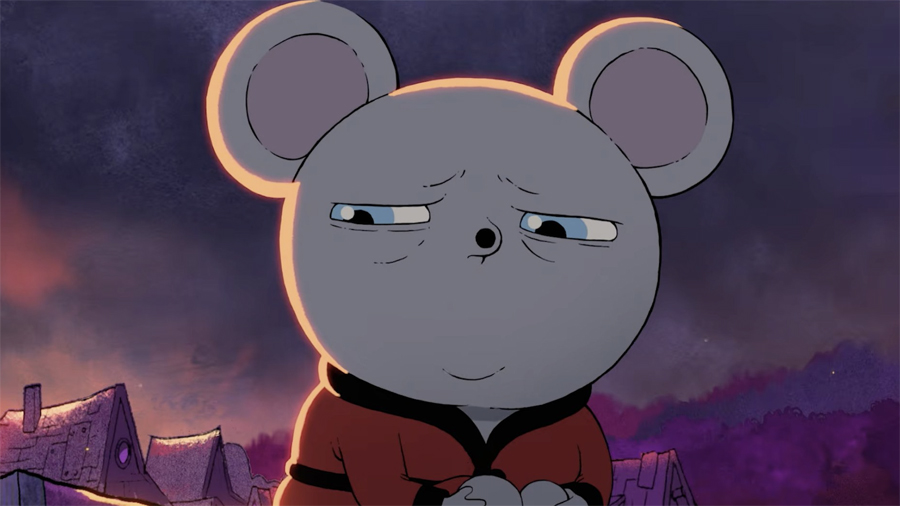
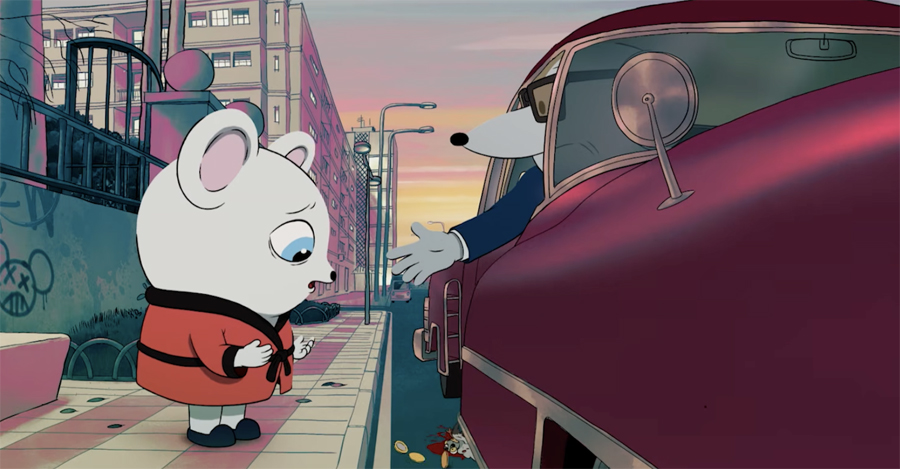
Alberto Vázquez, director of Birdboy: The Forgotten Children and Unicorn Wars, has already won the Best Animated Film Goya Award for his latest movie, Decorado. GKIDS is releasing the animated feature for adults in theaters in North America on May 15th. It’s about husband and wife mice Arnold and Maria, who live in a community filled with unusual behavior. As the difficulties increase and the pressures escalate, will these two ultimately find happiness and satisfaction? Some deep themes are presented in a thoroughly moving experience. (This Animation Scoop Q&A was conducted on Zoom with a translator and was edited for length and clarity.)
Jackson Murphy: This is the best movie I’ve seen so far this year. Congratulations — I love it!
Alberto Vázquez: Thank you! I’m glad to hear it.
JM: “The Truman Show” is one of my 10 favorite films of all time. How did that movie inspire you to create this kind of story?
AV: Any kind of dystopian work is something that could’ve influenced this film. That does include “The Truman Show”, but it also includes the English series “The Prisoner”, “Fahrenheit 451” and the book “1984”. All that dystopian literature has a huge influence on this film.
JM: Love the structure of this and how you bring us in. How was the transition of this from a short film to a feature film?
AV: It actually started out as a series of short comics that I drew around 2012. Then we created the short of the same name, which was an adaptation of those comics. And then there was actually talk of an adult series, but that was never released. But because so many of the plots and characters had already been developed, that is what led to this feature film.
JM: So glad you made the movie. Arnold and Maria have such a deep, layered relationship. Powerful — especially for adults watching this. What did you really want to explore with their relationship?
AV: I wanted the relationship between Arnold and Maria to be very realistic, even though they are cartoon mice, so that their problems and their financial troubles and their issues with help and their existential crisis would have an affect on their marriage and provoke this marital crisis. I use animation, even though it is fantastical and it has these themes from fantasy, I want the contrast of the appearance of the characters, who are these little animals, and their very real problems to stand out.
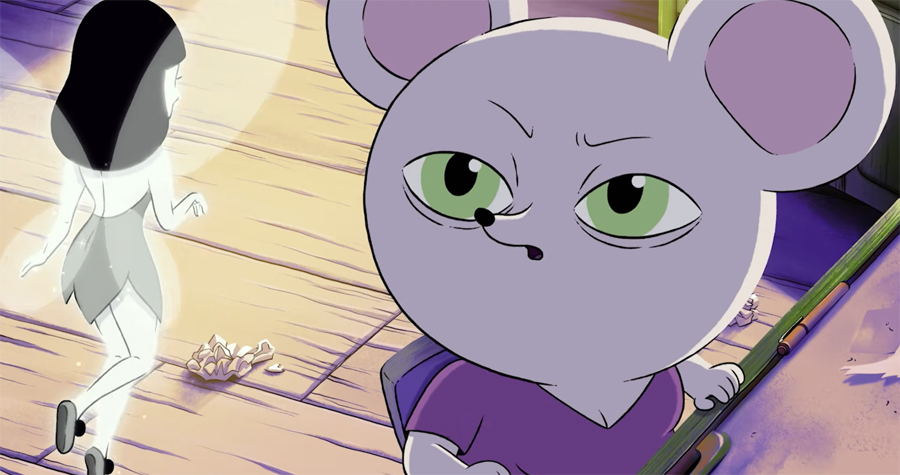
JM: There’s a little bit of humor sprinkled in, but the tone is really gritty, with a character like the fairy called Depression. How interesting was it to play with the tone and create a character like that?
AV: Film is always a balance between things like humor, drama and psychological terror, so you want to have light scenes contrasted with very dark themes. In the case of the Depression Fairy, it’s a really nice metaphor, and also a play on Disney, where you have this happy fairy, but in this case it’s a more gothic feel to her — as a representation of Maria’s depression.
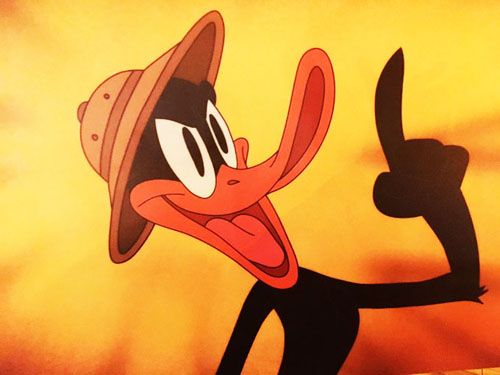
JM: Also quite a character is Duck Roni. You go after Disney and WB. You’ve got a lot of guts to do that and pull that off.
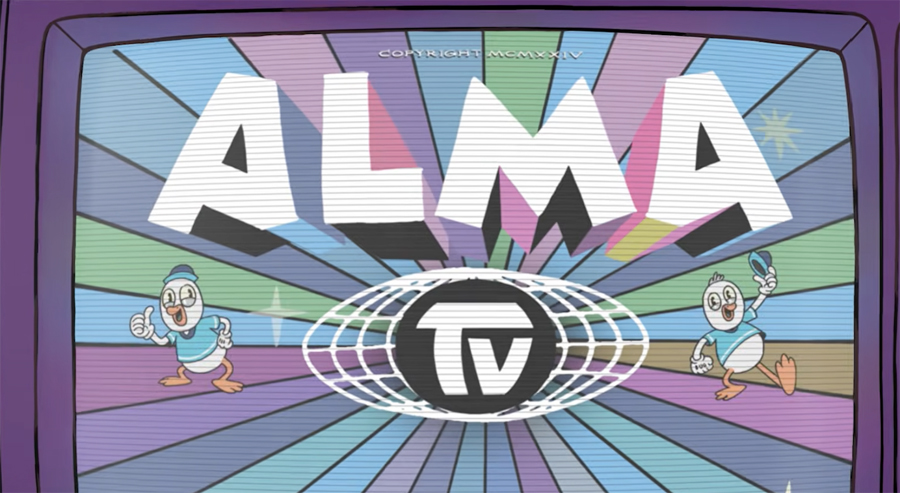
AV: (laughs) It was very fun. And I also voiced the character, so that’s an exciting part of it. I’ve always been a really big fan of characters like Donald Duck ever since I was a child. So to me, it was very funny to play with the idea of a meta language and this once famous character from children’s cartoons who’s now fallen on hard times and has to take these odd jobs. It’s a really fun homage to that classic cartoon.
JM: And going off of that is this concept of the media and television controlling us. What surprised you in exploring that? How do you feel about that? You explore all of that in great ways in this movie.
AV: This movie deals with a lot of actual current problems: the falseness of the world and this control from society and not really knowing what reality is. I wanted to examine as well superficial relationships vs. authentic ones. This film poses a lot of questions to the viewer, but it doesn’t really provide a lot of answers.
JM: You’ve won several Goya Awards, including for “Decoardo”. What do these awards mean to you? And how have you grown as an animator, filmmaker and artist over the course of the films you’ve made?
AV: Awards are always very nice to receive, both for me and for the team. But what’s really most important about them is that they allow you to keep making films. And awards are also what help films get seen, because when they come out people talk about them and people go see them. As for learning, it’s a constant process of learning. I didn’t study film or animation. I’m a comics artist. Throughout the movies I’ve learned so much from the other artists and animators and my collaborators and have really taken a lot away from every film. It’s been a long road. I don’t know if there will be any more but I’m very satisfied with what I’ve done so far.