Mickey Mouse is an cartoon character co-created in 1928 by Walt Disney and Ub Iwerks.









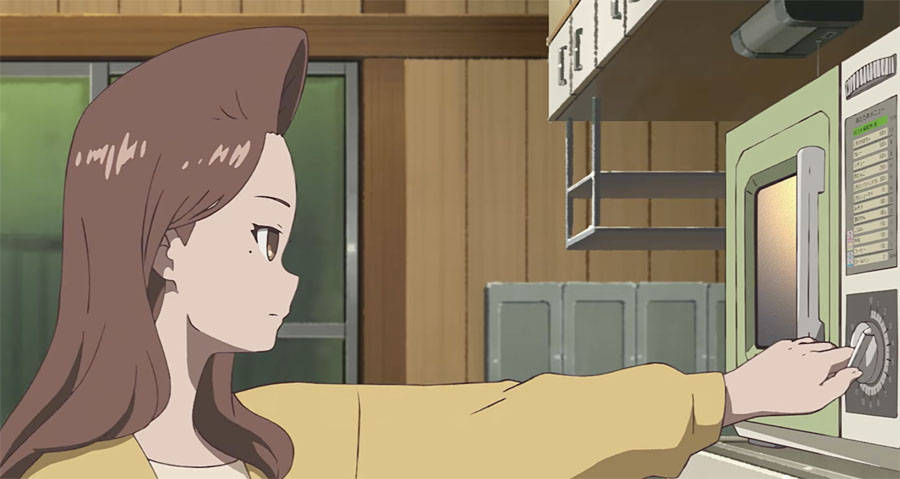
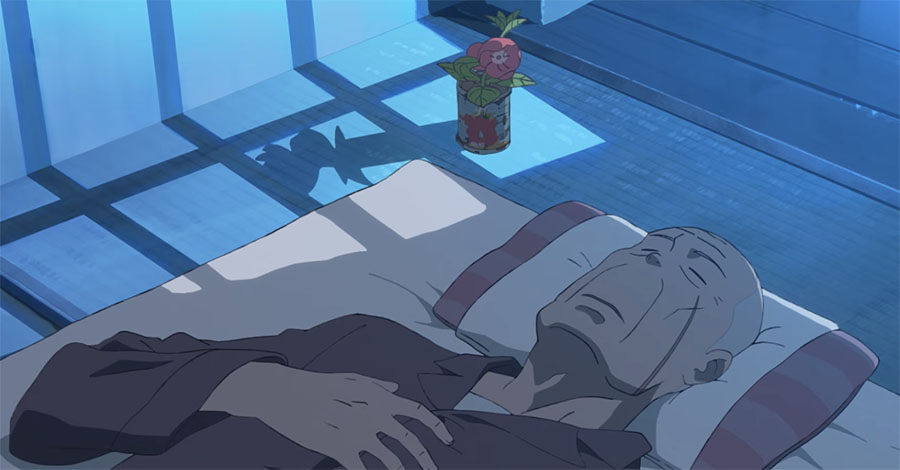
The Last Blossom, a new animated feature for adults, is in theaters nationwide for two days only — Sunday Aug. 30 and Monday Aug. 31. It’s absolutely worth seeing. Akutsu was a member of a crime organization in Japan. But when we meet him, he’s in prison, reflecting on his life, including his relationships with a woman named Nana and her young child. Akutsu is discussing all of this in the cell with a talking balsam flower. What they unravel will blow you away. (This Animation Scoop Q&A with director Baku Kinoshita was conducted with a translator and edited for length and clarity.)
Jackson Murphy: What inspired you to tell this very emotional story?
Baku Kinoshita: My last project was “Odd Taxi”. It was a mystery. A lot of things going on with a lot of different characters. So this time I wanted to go in the opposite way and focus on one human and go deep into that one human and find the beauty within that person to portray in this movie.
JM: Akutsu and the flower’s conversations in the prison cell are so compelling. What was so important to you when it came to presenting those?
BK: Akutsu is a very serious and quiet person. On the opposite end, the balsam flower is very talkative, sarcastic. He’s a little savage sometimes. I wanted to have those contrasting personalities to show the contradiction between them, and I think the juxtaposition between them and the dialogue between those two differing personalities moves the story along.
JM: And there are also very difficult conversations Akutsu and Nana have — some really powerful scenes. What did you want to show with that relationship, and what does that relationship mean to you?
BK: It’s similar to the relationship between the balsam flower and Akutsu. Nana also has a contradicting personality from Akutsu. She tries to [present] herself as a sociable, cheerful and positive person. They fill in the parts they don’t have within themselves. Nana is very strong-willed but sensitive, and Akutsu is very quiet but calm in any situation. I really wanted to depict the contrasting ways they fill in the spots they don’t have, so together they make a whole.
JM: Very nice. I’m going to remember what you do with the song “Stand By Me” for quite some time. What do you love about that song? Why did you want to use it in this film?
BK: “Stand By Me” is popular everywhere in the world [including] in Japan. The first reason is the lyrics are really important. It described the relationship of Akutsu and Nana. But also “The Last Blossom” is such a niche movie — I wanted to balance it with having a super popular song in it.
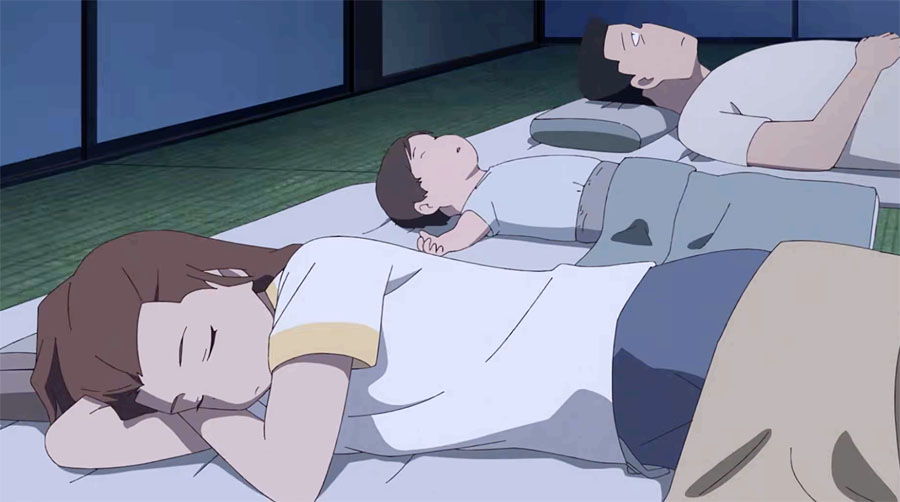
JM: There’s a theme in this movie that memories can be painful. Was that a significant theme you wanted to address?
BK: Memories are very similar to having regrets. At the end of his life… Akutsu sort of had an ordinary life, but he may have had lots of regrets. To have… the turnaround that he had, the regrets didn’t disappear, but it made up for it. There are good and bad memories. There’s painful, bad memories, and then there’s good memories. I think it can go both ways. The story is really about Akutsu fighting for what he wanted to achieve, and… he was able to turn the painful memories into good memories.
JM: Yes. Absolutely. What you do in the third act… the way you reveal the layers and the surprises… is so well-done. What was most challenging for you about crafting the third act?
BK: I worked with the same screenwriter I worked with for “Odd Taxi”, Kazuya Kinomoto. He’s very good at story building, especially with laying out little pieces throughout the story — clues he’d leave in and have them all come together at the end. For this movie, with the letters, the board game Othello and the big turnaround, it was already really incorporated in the script. So it was mostly his doing, but as a director, showing all the things he was trying to do in the script into animation was my job, and I think I was able to pull that off as well.