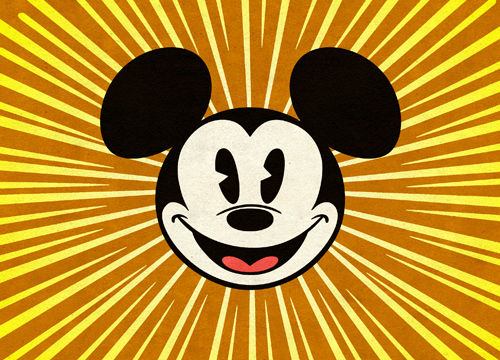
Mickey Mouse is an cartoon character co-created in 1928 by Walt Disney and Ub Iwerks.








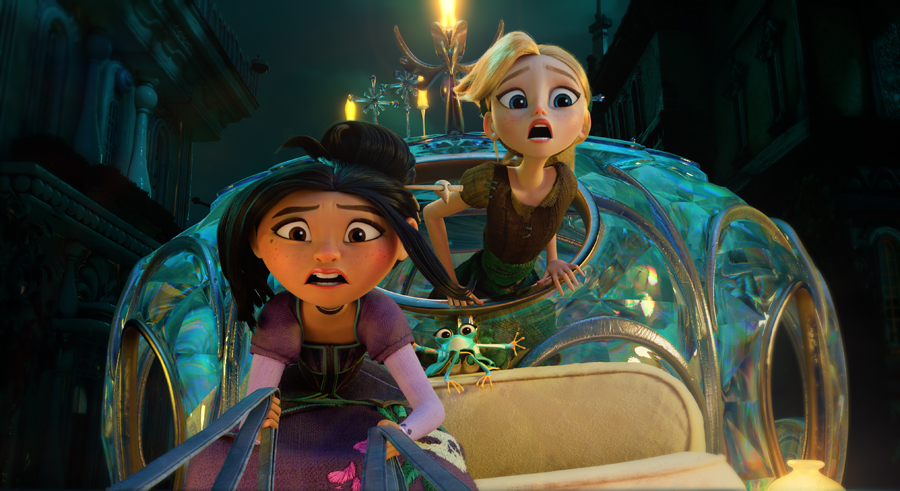
Before Netflix’s upcoming Ribbon Hero, there was Osamu Tezuka’s Princess Knight, featuring Princess Sapphire—a sword-fighting heroine who challenged gender expectations in 1953. Today, director Yûki Igarashi brings the story to a new generation with a modern adaptation that aims to both honor the legendary original and introduce it to contemporary audiences.
(This Animation Scoop Q&A was edited for length and clarity with an interpreter present.)
Lauren Ashton:
We know this film is inspired by Princess Knight by Osamu Tezuka. Can you talk about what other projects or works have inspired your artistic life more broadly?
Yûki Igarashi:
With that lens, I would say Hayao Miyazaki’s Princess Mononoke and Hideaki Anno’s Neon Genesis Evangelion. Those two have had a huge impact on me.
LA:
Very cool. What challenges did you face when building the character of Princess Sapphire, especially since she comes from an existing work?
YI:
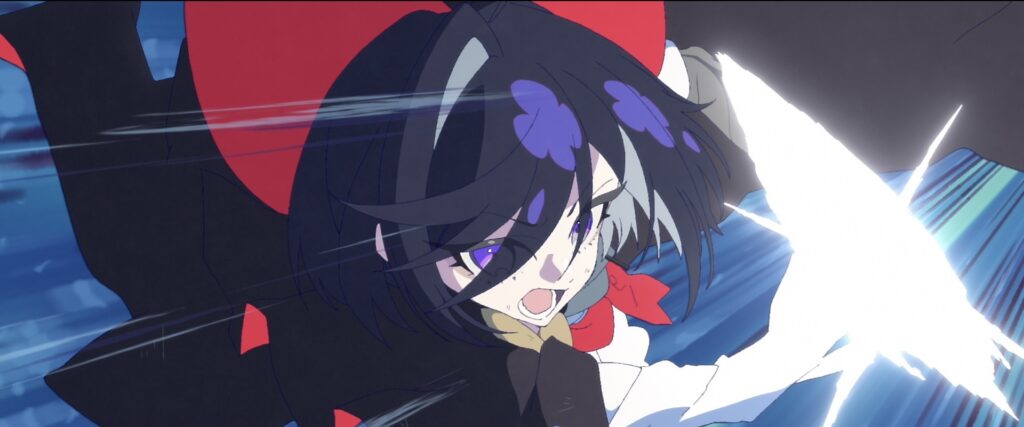
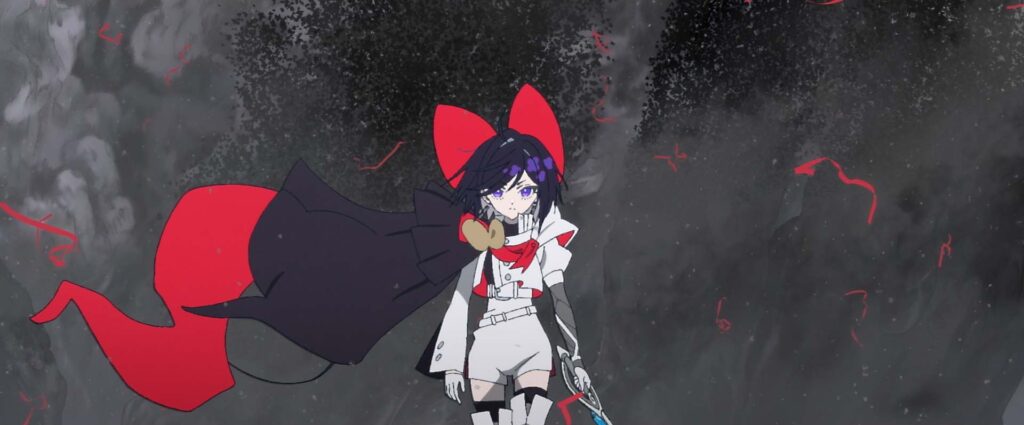
I think one of the biggest challenges was looking at Sapphire and thinking about today’s audience.
Princess Knight originally came out in 1953, and it had an enormous impact, especially on young women. At the time, the idea of a woman picking up a sword and fighting was incredibly groundbreaking. My goal was to create that same sense of impact with Sapphire for audiences in 2026.
Of course, I took creative liberties and added original elements to the film, but I hope that feeling of inspiration translates from the original work to modern audiences
LA:
I’m excited to see more of it. What was the most creatively fulfilling part of this process for you?
YI:
Toward the end of the film, there’s a scene where one of Osamu Tezuka’s original Princess Knight comics actually appears on screen.
I really wanted to connect this movie to its roots, and to the roots of strong female heroes who wield swords. Being able to include that in the film and successfully achieve that connection was a huge accomplishment for me. It was incredibly satisfying.
LA:
When making an adaptation, was it intimidating balancing audience expectations while still honoring your own creative vision?
YI:
The original comic came out in 1953, so many of the people who first read it are now elderly, or may no longer be with us.
There aren’t many people today who have actually experienced the original comic or understand how influential it was in creating this entire genre of strong female protagonists.
For me, my mission is to reach modern audiences and show them that so many of the heroines we see in films today can trace their roots back to this 1953 manga.
Now, if someone has read the original comic, they may watch my film and think, “This isn’t what the original author intended.” To those people, I would simply say, “I’m sorry!” But I believe there’s a bigger mission here, which is introducing the modern generation to Tezuka’s work.
LA:
I love that you’re tracing everything back to its origins and helping create awareness .My last question: what are you most excited for audiences to experience when they see Ribbon Hero?
YI:
There are so many things, it’s hard to choose just one.
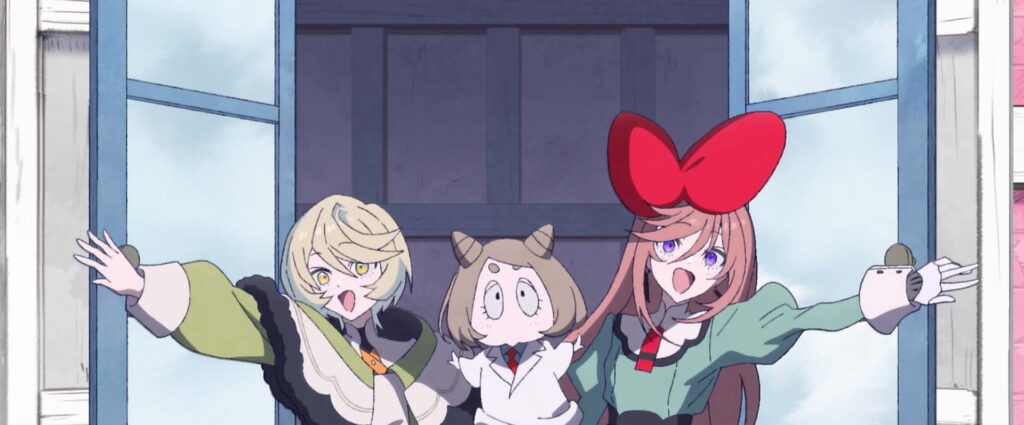
There’s a character in the film named Velvet, and there’s a hidden thematic connection there. In Princess Knight, one of the big central themes was this idea of a young girl having to dress up as a boy and then wielding a sword and fighting, which in the ’50s was unheard of in this conservative culture of femininity.
So I wanted to kind of create an opposite sensation. There’s gonna be a little bit of a gender play here as well, where it’s actually a boy who acts a little bit more feminine in his behavior, but he’s still fighting. And that in and of itself was a challenge, and I’m curious to see how the audience responds.I’m also a little nervous!