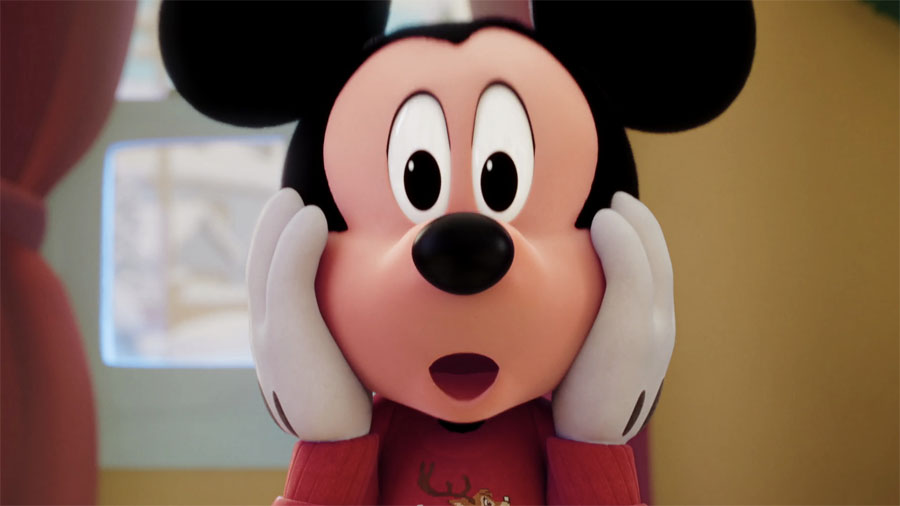
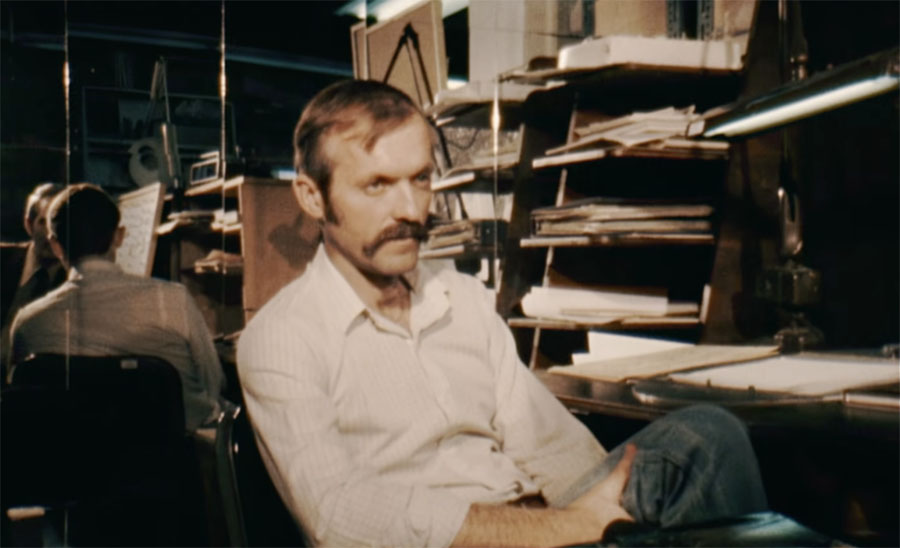
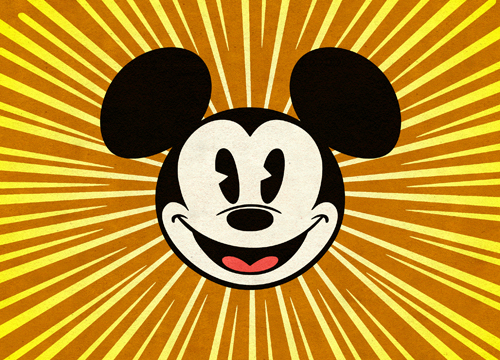
Mickey Mouse is an cartoon character co-created in 1928 by Walt Disney and Ub Iwerks.









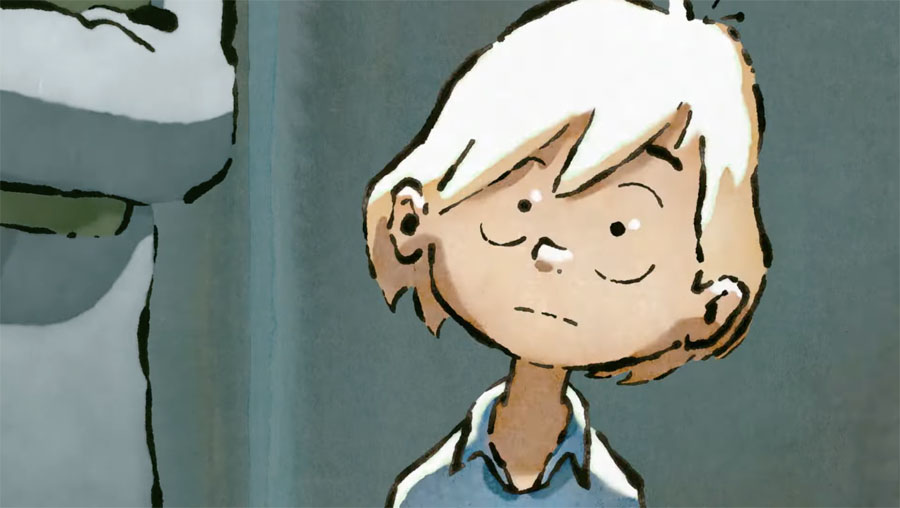
Iron Boy, the hand-drawn coming-of-age drama from French director Louis Clichy, is one of the animation wonders of the year. Winner of the Un Certain Regard Special Jury Prize at Cannes, it opens with a New York and Los Angeles Oscar qualifying run December 4 through Sony Pictures Classics, before releasing nationwide January 22.
Evocative of François Truffaut’s The 400 Blows, the semi-autobiographical Iron Boy follows 11-year-old Christophe (the director’s son Gary Clichy) , a shy farm boy from the Beauce region of France in the 1980s, who has scoliosis of the spine, which causes him to uncontrollably lean sideways and collapse. Forced to wear an iron corset to keep him upright, Christophe lives in a world without affection and intimacy, but discovers the joys of friendship, music, and rebellion.
“The corset is a constraint and sometimes it’s a good way to try other things,” explained Clichy, an animator on Pixar’s WALL-E and Up before co-directing Asterix: The Land of the Gods. “And in other ways, it’s very classical as well, it brings you to something unexpected and good, it pushes you to go to some other perspective and new horizons. I like that idea.”
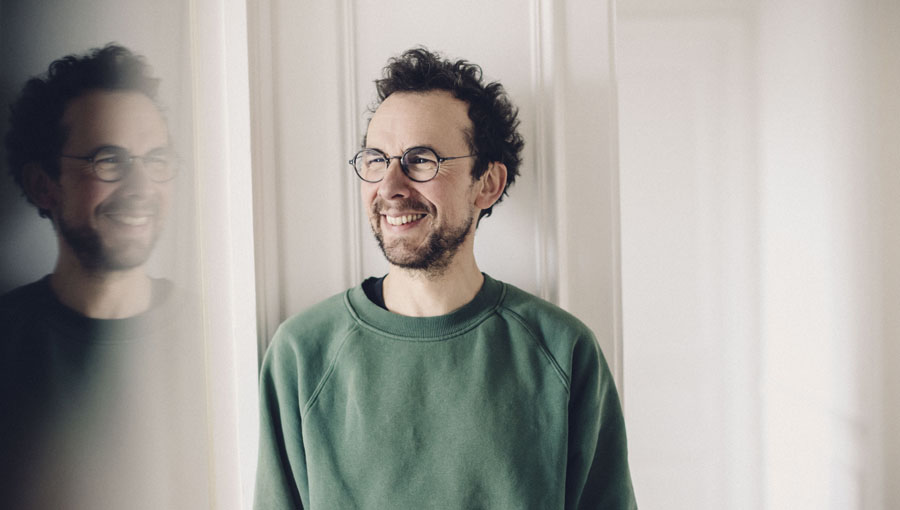
Aesthetically, the film boasts the simple watercolor and brush stroke look that Clichy learned at acclaimed animation school Gobelins. The constraints of his project forced him to find a shortcut and bypass time-consuming details. He returned to this rough approach, which emphasized incompleteness and negative space.
“And then I had to do the color, which is very important because I show the passing of seasons,” he added. “But the problem is that I’m not very good with color, and here I got the answer with Cécile Guillard, my art director. And we tried a lot of things with that.”
Clichy had a small production team at their Paris studio, and were assisted at Les Astronautes, where the backgrounds were painted in watercolor on paper, where Guillard built the color around his ink line work, which he drew with a Chinese ink brush.
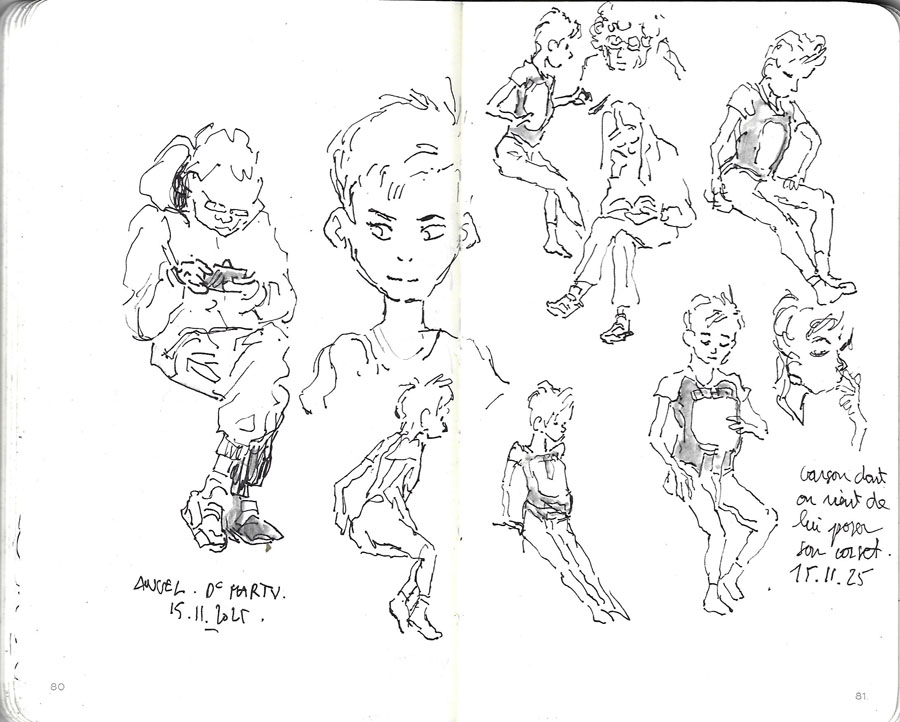
“Because the line is so thick, if you put color behind, it gives too much information,” Clichy said. “And at a point you can feel that the line doesn’t, we don’t need the line anymore. So we had to find a nice balance between color and the line.”
The environments include the family farm in the flat, horizontal Beauce region, the nearby town, where Christophe and his rebellious friend Clara (Brune Moulin) go on a series of shoplifting adventures, and the local church, where Christophe learns to play the organ with the help of Michel (Alexandre Astier)
“I didn’t know so much about the organ,” Clichy recalled. “I chose it for screenwriting reasons.It’s a huge machine. There really is no score in the movie, so when the organ starts, that’s when the music starts. You cannot do subtle touching, and whatever you do, it’s going to be the same sound with the same power.”

While the animation is very naturalistic, there came a point where the director pivoted to Christophe’s subjective perspective: when he imagines that he has the superpower to tilt and reshape the world around him. This is his way of coping with his handicap and feeling of helplessness with a magical realism.
“I really like this idea very much,” Clichy explained. “I could do it only if I was sure the audience understood the context and the very social and naturalist ground of the movie. And plus it was a justification to an animated movie, in a way. This is something I would never done in a live-action movie. That would have been so ridiculous. But, in animation, it works well. And I had in mind Miyazaki. But I think there is this idea of trying to set up the world we live in with a gesture of fantasy where he imagines his empowerment.”