Mickey Mouse is an cartoon character co-created in 1928 by Walt Disney and Ub Iwerks.











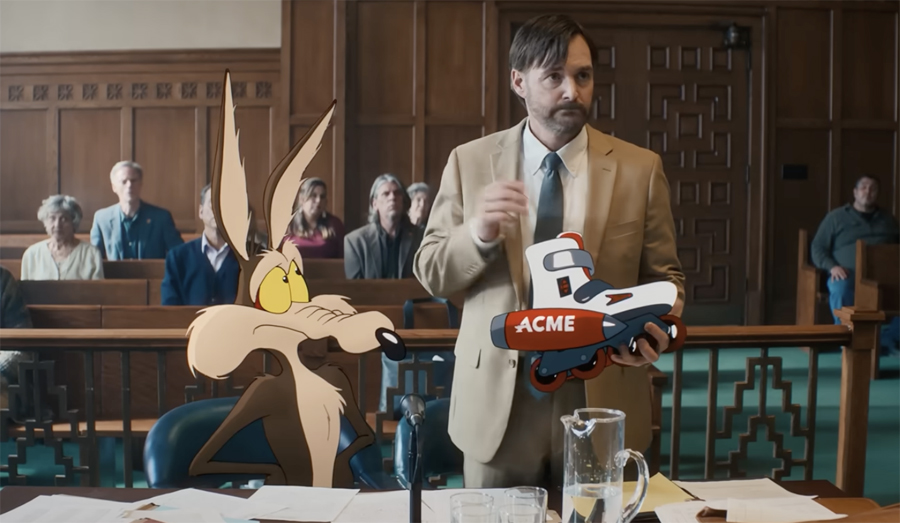
Both Coyote vs. Acme was presaged in 1982 as a multipart series in National Lampoon Magazine. Ian Frazier wrote his own version for The New Yorker Magazine in 1990. Both pieces depicted a lawsuit by Wile E. Coyote against the Acme Corporation for manufacturing dangerous, faulty products that painfully sabotaged his pursuit of the Road Runner.
It was not until 2018 that the Warner Animation Group began a live-action animation hybrid treatment of a movie, with Dave Green hired to direct the following year. The film, titled Coyote vs. Acme, was completed in 2023 and promptly shelved by Warner Bros. as a tax write-off. This outrage was no secret to animation fans everywhere, and the furious backlash led to the rights to the movie being sold to Ketchup Entertainment in 2025.
This incident was not the first time Warner did their films dirty; Both The Iron Giant and Cats Don’t Dance were dumped into movie theaters with no promotion or publicity, only to become major cult hits through word of mouth. That the iconic and beloved Warner Characters were treated as corporate write-offs was more than greed; it was a gross insult to a world of animation aficionados.
Were their demands worth it?
I want to start this review by pointing out the ironies involved. The main themes of Coyote vs. Acme, reduced to their basics, are injustice and corporate machinations. Sound familiar? Another irony is that as hard as Warner tried to squelch the legacy of the classic Toons, they survived, just as they do when shot, blown up, falling off cliffs, or emerging from beneath anvils. Coyote vs. Acme reaffirms that the Looney Tunes are indeed as indestructible in public opinion as they are on screen. Warner (I mean Acme) can’t make them disappear or kill them off.
We open at the Acme labs, where toons are vivisected during product testing, ostensibly to perfect them for human use (a nod to PETA?). Scientist Peter Lorre (yup, that’s really him) protests and is “disappeared” by the company (through one of the portable holes from The Hole Idea from the 1955 short. One of countless easter eggs for the fans).
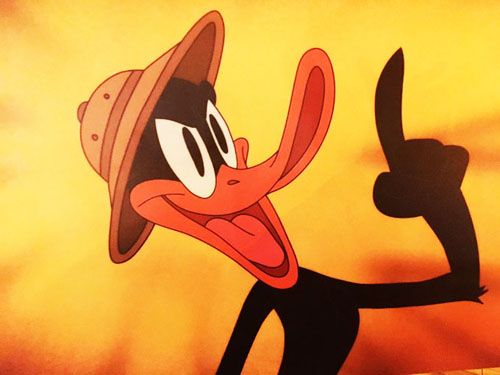
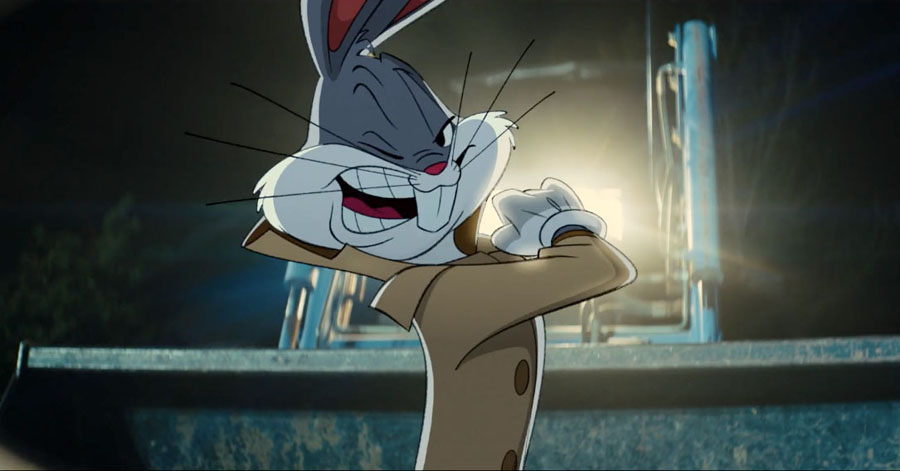
Meanwhile, the Coyote visits the two-bit law firm of Jones, Avery, and Maltese to file suit against Acme. Attorney Kevin Avery takes the case, and we are off to the races. The first trial goes poorly, but a secretive whistleblower (who often says “What’s up, Doc?”) gives him a tip. It leads to Daffy Duck, who knows of a top-secret “Project Sisyphus.”
From thereon, it’s the sinister forces of Acme out to stop Kevin and the Coyote at all costs. Will there be twists to the story? Oh yeah. Surprises? You bet? More cameos and supporting parts from both classic and semi-obscure Warner cartoon characters than you can count? Mmmm…could be!
Some of the best include Cool Cat as an Acme test subject, Charlie Dog, Miss Prissy as a juror, Witch Hazel, Taz as an unintelligible PR man, and even Hubie and Bertie. The triumphant finale pays homage to Who Framed Roger Rabbit, with dozens of the Warner gang old and new sharing the screen. Foghorn Leghorn shines as a blustery corporate CEO of Acme.
It’s interesting that “Avery” is the hapless lawyer, and that his firm includes the name: Tex Avery left Warner in 1941, and Chuck Jones and Mike Maltese did not unveil the Coyote/Road Runner cartoons until 1948. Still, Avery’s contributions to the Warner style are undeniable. The film’s versions of Daffy Duck and Porky Pig are unmistakably his.
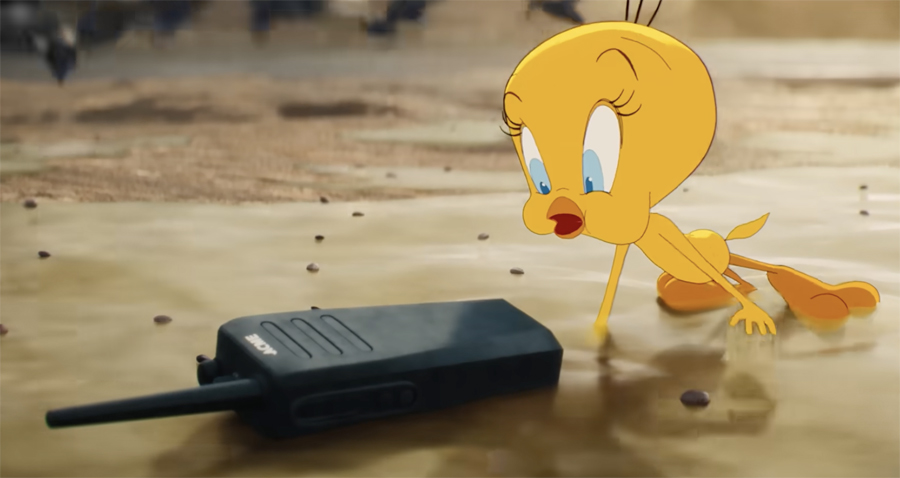
For most of the movie, Tweety is an unwilling villain, but that’s not all that far-fetched. Tweety hides psychopathic tendencies behind his adorable innocence. He is a violent adversary who seems to take wry pleasure in the punishments he inflicts on Sylvester. Granny, of course, would never believe this, and often doubles down on Sylvester to Tweety’s further amusement.
The screenplay by Samy Burch evidences a deep knowledge of the Looney Tunes and the characters conceived by Chuck Jones. The Coyote communicates with signs and subtle tweaks of his facial expressions. The road runner, while non-verbal, displays a greater range of emotions than Jones ever found permissible.
Will Forte is the human star, leading a capable cast of has-been and never-were lawyers. Eric Bauza, as he has done in the past, does the heavy lifting as eleven classic Warner characters. Candi Milo handles the female toons with perfect aplomb. Jim Cummings got to “voice” the Tasmanian Devil. The animation and VFX by Britain’s DNEG are outstanding. Ken Duncan’s sequence with Bugs Bunny is perfection.
Was it worth it? Yes, for the Coyote, the Jones, Avery, and Maltese law firm, every animation fan who worships the Looney Tunes, and for the future of these now-immortal characters. Nothing, not even Warner Bros, can ever change that.