Mickey Mouse is an cartoon character co-created in 1928 by Walt Disney and Ub Iwerks.









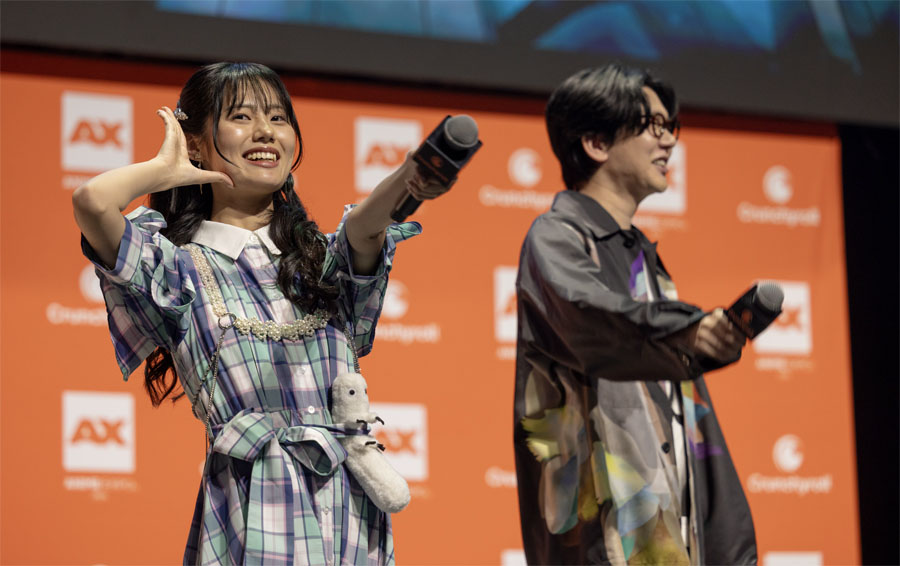
On July 3, shortly after the “Witch Hat Atelier: A Magical Chat with the Cast and Creator” panel at Anime Expo, I spoke with creator/writer/illustrator Kamome Shirahama and Rena Motomura, the voice of Coco. Natsuki Hanae, the voice of Qifrey, participated on the panel but was unavailable for our interview. Mimmy Shen interpreted the conversation.
Bob Miller: Shirahama-sensei, what do you think makes your story so strong and appealing?
Kamome Shirahama: I write with one thing foremost in mind: whether it’s something I myself would find interesting to read and whether I would enjoy it. If I enjoy reading it, then no matter what anyone else says, I think the most important thing is to trust my own instincts.
Miller: What kind of stories do you personally find compelling or interesting when you read them?
Shirahama: I read a great many different things, but I especially enjoy stories that really resonate with how I’m feeling at the moment, or that allow me to see society and the world from a new perspective—stories that introduce me to new ways of thinking. I find those kinds of stories especially compelling and interesting.
Miller: How did Witch Hat Atelier come to be adapted into an anime?
Shirahama: In the process of creating an anime, there’s not much involvement that the manga artist gets to have. Essentially, we receive a proposal and then it’s just a matter of how we respond to that proposal. So for me personally, I feel that I was very blessed and lucky with what happened.
Miller: As an artist, is there anything you learned through the anime production that you now apply to your own manga creation or artistic expression?
Shirahama: Yes, definitely. Compared with my manga, the anime is able to portray certain things much more beautifully and vividly—things like the way magic is brought to life and the vibrancy of the characters. Those are elements I’ve learned a great deal from, and I’ve been incorporating them into my own work.
Another thing is, now that the characters have voices, I can hear them in my head. And I try to think about that when I’m coming up with their dialogue.
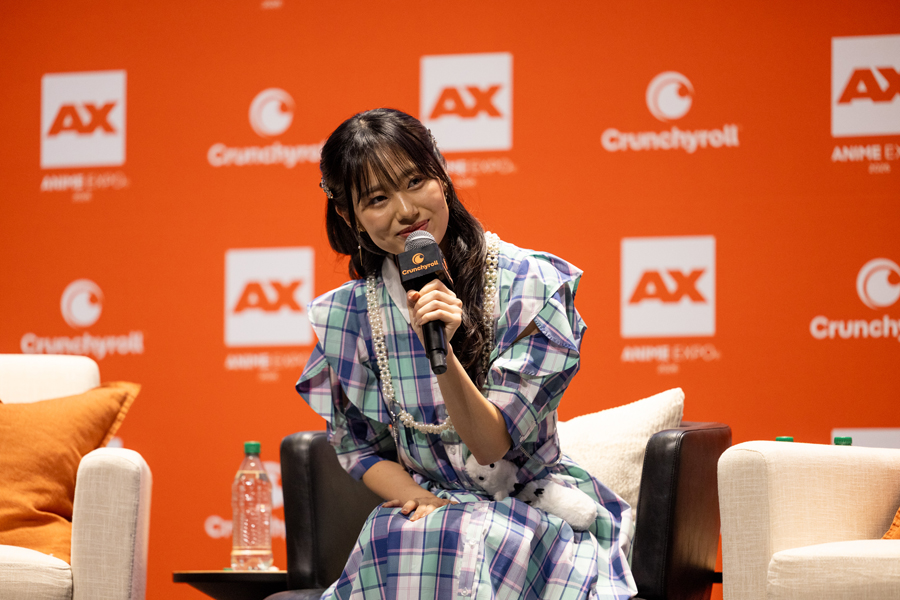
Miller: Rena, what kind of preparation did you do for the audition?
Motomura: At the time of the audition, I read everything from the original manga that had been published up to that point. As I read, I tried to absorb my own sense of what Coco’s voice would sound like, as well as her overall personality and the atmosphere surrounding her, so that those qualities would come naturally to me.
Miller: Shirahama-sensei, what was the reason you chose Ms. Motomura for the role?
Shirahama: It wasn’t a decision I made on my own. The director, the sound director, and the other members of the production team all contributed their opinions, and we made the decision together. So it wasn’t simply my choice. But there was such a wonderful clarity and purity to her voice, as well as a kind of gentleness that made you feel you’d want her beside you. So when it came to Coco, we were pretty much unanimous in choosing Ms. Motomura.
Motomura: I was very lucky to get this role.
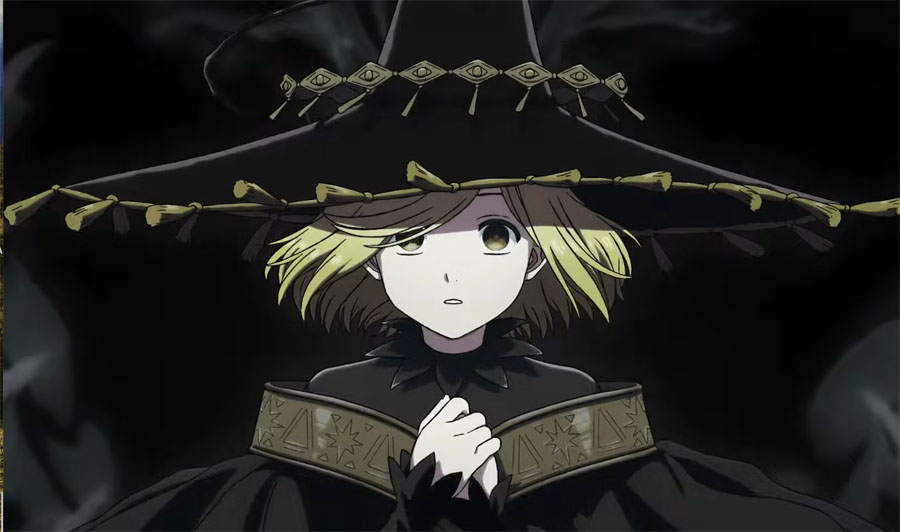
Miller: When recording the dialogue, do you match your lines to the characters’ mouth movements in completed animation, or is the dialogue recorded first and the animation created afterward?
Motomura: This production is actually very special. In order to raise the quality of the anime, we were able to actually cast our voices to animation that was mostly complete for almost all the scenes. Normally you don’t have that. You might just have something that’s like stick figures on screen and you match your voice to that and then they animate afterwards. So that makes this work a little bit more special in that sense.
Of course the animation is so beautiful that I couldn’t help but feel a little bit of pressure in how I voiced the character. I worked very hard.
Miller: How far in advance of the broadcast or streaming release did you record your lines?
Motomura: We did the voice acting about a year in advance. We did have to reschedule some sessions because they really wanted to focus on the quality of the animation, so depending on its progress, we moved the recording dates around a bit. They created this one with a great deal of care and attention to detail.
Miller: Shirahama-sensei, have you already decided how the story will end?
Shirahama: Yes. I have the general outline in mind, but I decide how we get there flexibly as I go along, depending on the circumstances at the time, what’s happening in society, and the direction the story itself is taking. But as for the ending—where the story is ultimately headed—I do have an overall plan. I know the conclusion, the goalpost that I’m heading toward, but exactly how I’m going to get there remains to be seen.
Miller: A question for you both. What do you know now that you wish you had known when you began your careers?
Shirahama: I definitely wish I had studied languages. I want to be able to talk with fans from all over the world, so it’s very frustrating not being able to communicate with them as much as I’d like.
Motomura: I’d like to tell my younger self, ‘Someday, you’ll find a wonderful character who is just right for your voice.’ I used to feel that there was nothing distinctive about my voice, and that was something I was self-conscious about.
Miller: All right. We’re out of time. Thank you very much. Dōmo arigatō gozaimasu.
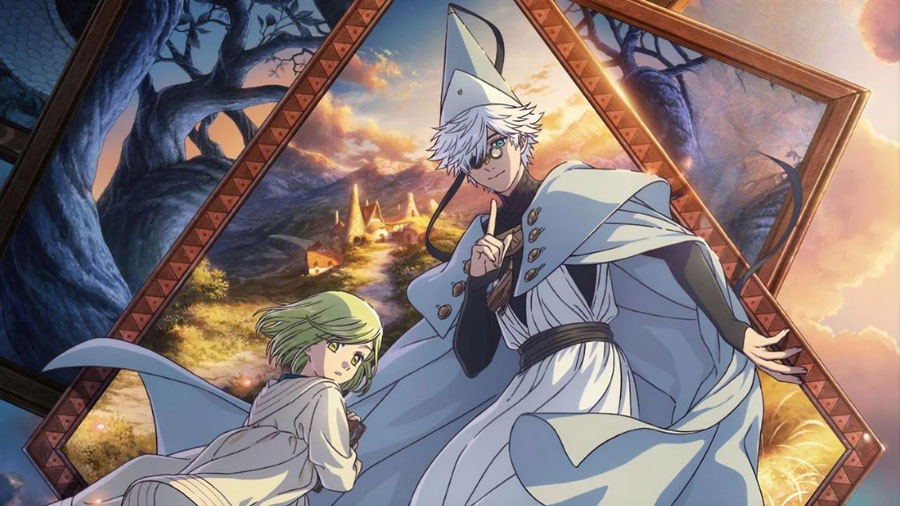
For our coverage of the Witch Hat Atelier panel at Anime Expo 2026, click here. For my interview with English-language cast members Anjali Kunapaneni, Joshua A. Waters and Madeleine Morris, click here.
Witch Hat Atelier streams on Crunchyroll. It is rated TV-PG for fantasy violence. Season 2 is in production but its premiere date has yet to be announced.
Special thanks to Stephanie Wong, Senior Publicist, Streaming Content & Awards, and her team from Crunchyroll: Blake Shuster, Pamela Abeka, Kaitlin Hargrove, Taylor Cocke, and Cameron Winston.