Mickey Mouse is an cartoon character co-created in 1928 by Walt Disney and Ub Iwerks.









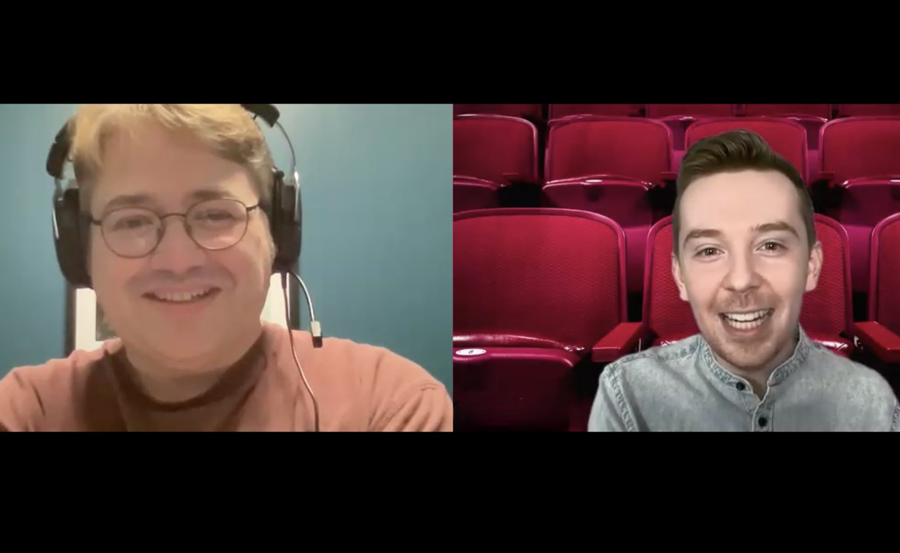
This summer’s big Star Wars movie The Mandalorian and Grogu is now available to watch on Disney+. Charles Alleneck has been a digital artist and animator at ILM — Industrial Light & Magic — for over 25 years. In this Animation Scoop Q&A, Alleneck (who also happens to be the son of my high school English teacher) discusses his fantastic career, including his work on The Mandalorian and Grogu and the Oscar-winning Rango. (This Interview was edited for length and clarity.)
Jackson Murphy: Has VFX, animation and digital artistry always been a passion for you since you were a child?
Charles Alleneck: Yeah, art and storytelling definitely has. That’s been something I’ve been interested in since I was very young. I don’t think it really clicked for me that I wanted to be an animator ’til I was in maybe middle school. There was an art and animation school in my hometown that kind of cued me in that this profession existed that was a combination of drawing and storytelling, which were the things I liked. So it kind of seemed perfect.
JM: “The Mandalorian and Grogu” is the latest Star Wars film. You’ve been a part of a few other Star Wars projects — movies and video games. So because you’re at Industrial Light & Magic, is there extra pressure when being a part of a Star Wars movie because we’re in the George Lucas universe?
CA: Well, it’s not so much extra pressure as it is… Industrial Light & Magic — Star Wars is our baby. We’ve been involved with Star Wars since the very beginning. We exist because of Star Wars. It’s very much part of our DNA, and likewise, we love being in that universe, and we love getting to expand on these characters, explore them, and see how this universe evolves over time.
JM: The fanbase is so huge, and I think a lot of families enjoyed seeing this in the theaters, and now will watch this on Disney+, because of the relationships with the characters… with Grogu (Baby Yoda). So tell me about your work on this and some specific sequences or highlights. What were the highlights for you of working on “The Mandalorian and Grogu”?
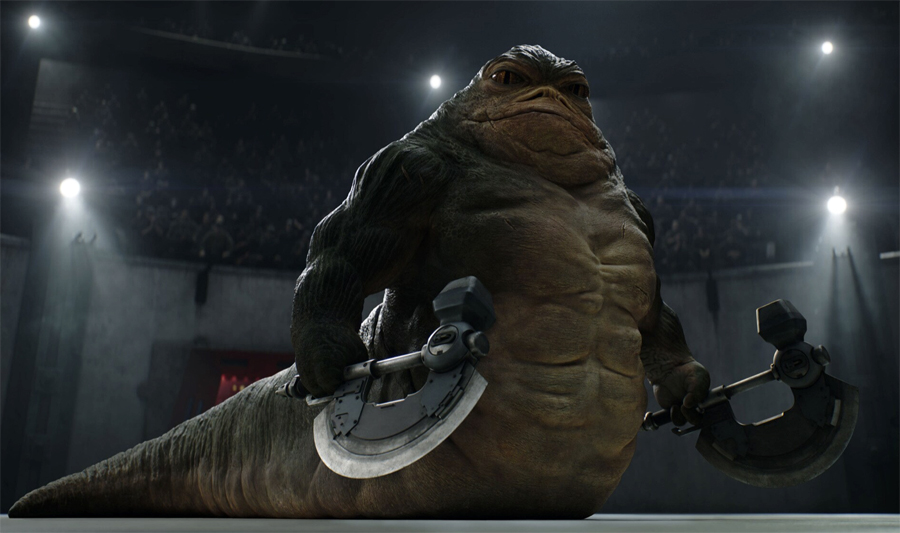
CA: There were a lot of highlights. As always, I gotta say, the biggest highlight of any Star Wars project and any ILM project is just getting to work with the people here. We’ve got the best group of people you could ever hope for for coworkers. They’re amazingly talented artists and everyone is just a complete consummate professional. And every show is a joy because of that. So that’s honestly the biggest highlight. And in terms of specific highlights in the movie, I got to do some stuff on Rotta the Hutt, who is Jabba’s son, who was a really fun character to work on because… it’s a strange idea. This Hutt character who’s also young and likable and speaks English… doesn’t speak Huttese. So it was definitely a challenge. Oh, and of course has to maneuver around and do all these big, physical gladiatorial fighting movements, which is something we haven’t seen a Hutt do before. So that was really exciting to get to work on that, trying to see… How close do we make him to Jabba? But he’s gotta be like a young, handsome version of Jabba. Handsome from a Hutt context. Whatever that means.
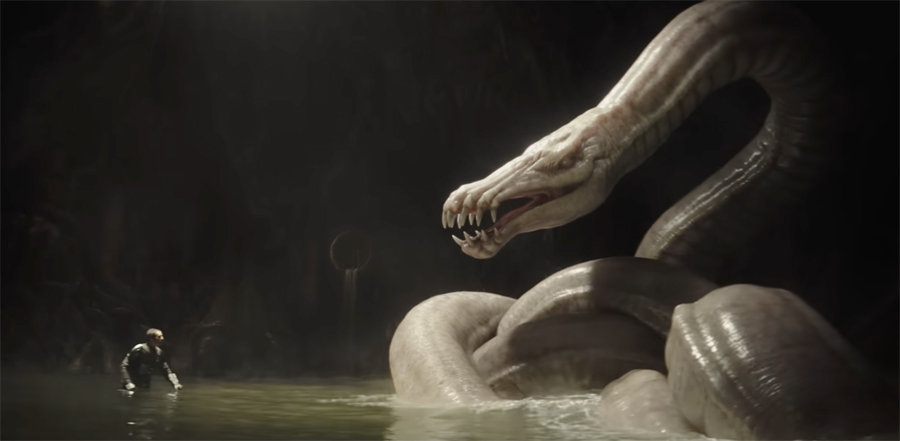
He ended up being a super likable character because of that, I think, and we had the Jeremy Allen White voice to work with, which was really strange hearing come out of the mouth of a Hutt at first, but then we totally got used to it, and it seemed so perfect, and we really got into it by the end. Rotta was a big highlight to work on. It’s fun anytime you get to animate an iconic Star Wars spaceship, honestly. So I got to do a couple shots of the Razor Crest, which was great. There’s a sequence where Mando is stuck in a snake pit with this giant dragon snake creature, which I believe is from the Clone Wars cartoon originally. But we got to do kind of a higher detailed… to fit in with the live-action version of it… which was great. And even though the final animation for this was done in Sydney, I got to previz a Hutt fight between Rotta and his aunt and uncle, and that was a lot of fun getting to figure out how three Hutts would fight each other.
JM: Well, there you go! Some cool things to figure out — and going along with the vision of director Jon Favreau. And whether it’s a movie like this or even “Elf”, he creates these atmospheres that are unlike anything else. Even “Chef” too, which was so immersive. He loves that with any kind of project he takes on. What do you get from him as far as the tasks that you have to do — in going along with his vision and kind of aligning with that, with the work that you do?
CA: Jon is fantastic. First of all, he’s just such a nice, down-to-earth human being that I think a lot of that comes through in his movies. I think his work is very earnest, and there’s a lot of humanity to it that comes out, whether it’s “Iron Man” or “Mando” or “Chef” or really anything. There’s just so much humanity that comes out of the guy and so much empathy in these movies. He’s very collaborative in the sense that he’s open to us trying different things with the characters but also has a certain thing he’s going for. He has a certain idea he’s trying to get across. One of the things that’s great is that he’s got this encyclopedic knowledge of other films, and so he was saying, “When we’re looking at Rotta, here’s a few films we should reference.” It was things like “On The Waterfront” and a couple of other films that came up as, “You gotta go watch these scenes for reference for the kind of vibe I’m going for.” So he’s always able to take what he’s doing and relate it to some other preexisting film that can provide inspiration.
JM: I love that. That’s so important to know film history and to watch other things to be inspiration for what you’re doing. What do you honestly feel is so important about great animation in a live-action film? The believable factor… I know you’ve been part of some of the “Transformers” films as well. Is it that believability? What is it that makes animation so important in live-action features?
CA: You have to approach it very slightly differently from animation in an animated feature. When you’re dealing with an animated feature or traditional animation, there’s the 12 animation principles that you always follow. There’s things like arcs and appeal and follow through. All of these things still apply with animation that has to marry in with a live-action image, but they need a little bit more grit to them. They need a little bit more irregularity, imperfection. I think one of the things about doing animation to fit in with live-action work is that you need to be able to put that layer of real world irregularity and imperfection into it, which can sometimes actually be very hard because a lot of it is very subtle and can almost seem random, but it’s not. It’s like these tiny little forces that influence everything that make it just a little bit off perfect. Whereas with an animated feature you can have a perfect flowing arc of something. In live-action, that ends up looking too cartoony, so we have to kinda dirty it up a little. But same principles still apply, you just have to cue off of the live-action that’s in your scene and make sure it feels like something that could exist in that world.
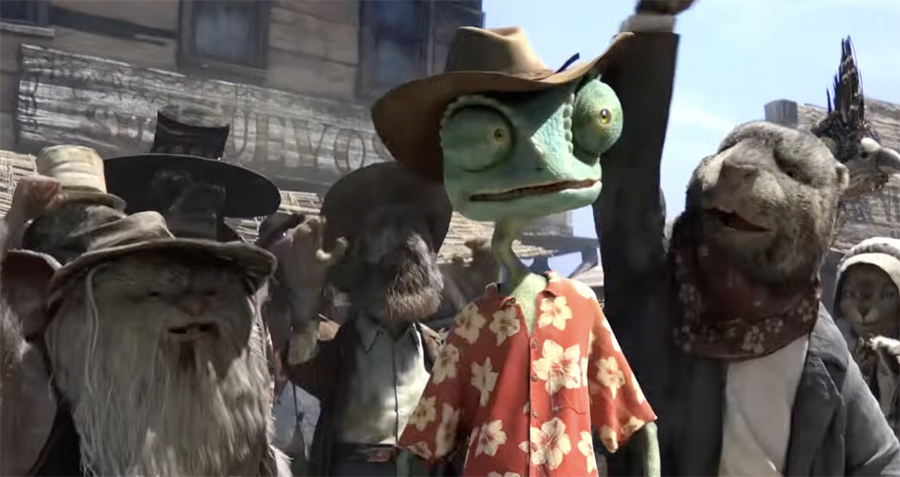
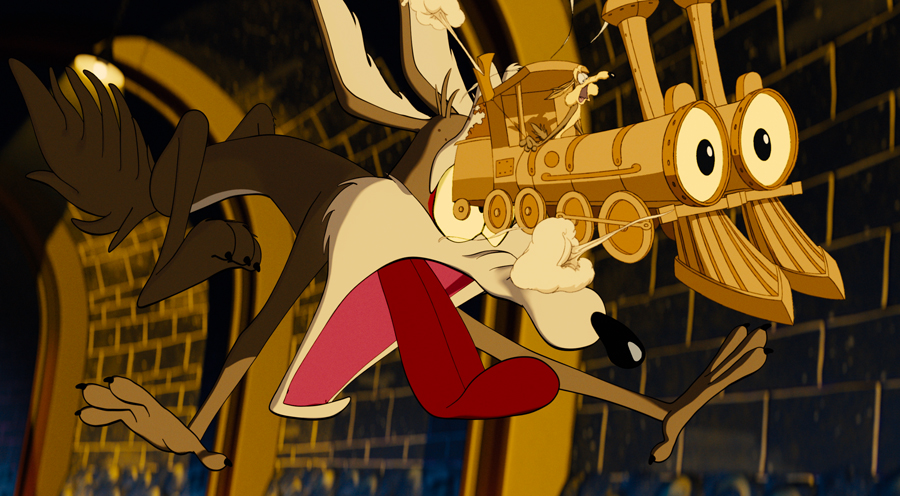
JM: I like that. I like learning all of that. And an interesting project you were a part of, an animated feature, but had a lot of live-action in it because Gore Verbinski filmed many of the actors doing “Rango”. You were lead animator on that. I watched about the second half of it again recently. It’s an excellent movie. Was that a fascinating experience being a part of “Rango” because of the way Gore shot it and the way it was done?
CA: 100%. “Rango” is one of my favorite things that I’ve ever worked on. The way Gore shot it. And talk about somebody who’s got encyclopedic film knowledge. Gore Verbinski is another walking human film encyclopedia. But yeah, basically he filmed the actors in costume acting out the whole movie as if it were a play. We didn’t mimic that exactly, but we were able to take so much from that in terms of… Well, first of all, I think it helped the actors bring a lot more to it as well because of the interplay between them. But then we were also able to pull all sorts of little idiosyncrasies from them, little acting choices that we were able to imbue into the characters, and I think it’s something very unique. Talking about dirtying animation up, Gore did not want “Rango” to look like other animated movies. He wanted it to feel a little weird and a little gross and a little dirty. And he used to say, “Put a little fuzz on it.” After we’d animate it kind of nice and cleanly, he’d say, “Now this needs a little fuzz,” and we would go and kinda dirty things up a little. So he was very into that aesthetic.
JM: That’s really cool. That is a unique movie, for sure. And, his new film, “Good Luck, Have Fun, Don’t Die”, is really good too.
CA: Fantastic. Yeah.
JM: So, throughout your career at ILM, you have been able to see technology evolve in incredible ways with the visual effects on movies. How has that been a fascinating experience for you, seeing that firsthand and then putting that into practice into the work that you put out into these films?
CA: Well, I think at the end of the day, we’re always cognizant that the technology is just a tool, and you have to have the underlying principles that go under it. We’re always learning new tools and new technologies, but underneath it all are just really talented people who know how stuff should move and who know how stuff should interact. And so if there’s ways to get an even better end result using the technology, we’ll absolutely use it. But one of the things that’s been interesting is when a new technology comes along, there’s always a little bit of a pushback against… “Well, we’re worried that this will replace us in some way.” Like motion capture, or back when 2D animation often was being set aside for CG animation. There’s a lot of concern that that’s something replacing something else. But really it’s just an evolution, and now we just use motion capture as another tool in the toolbox. And I like to think that at the end of the day you still need people doing this stuff and making the aesthetic calls on it.